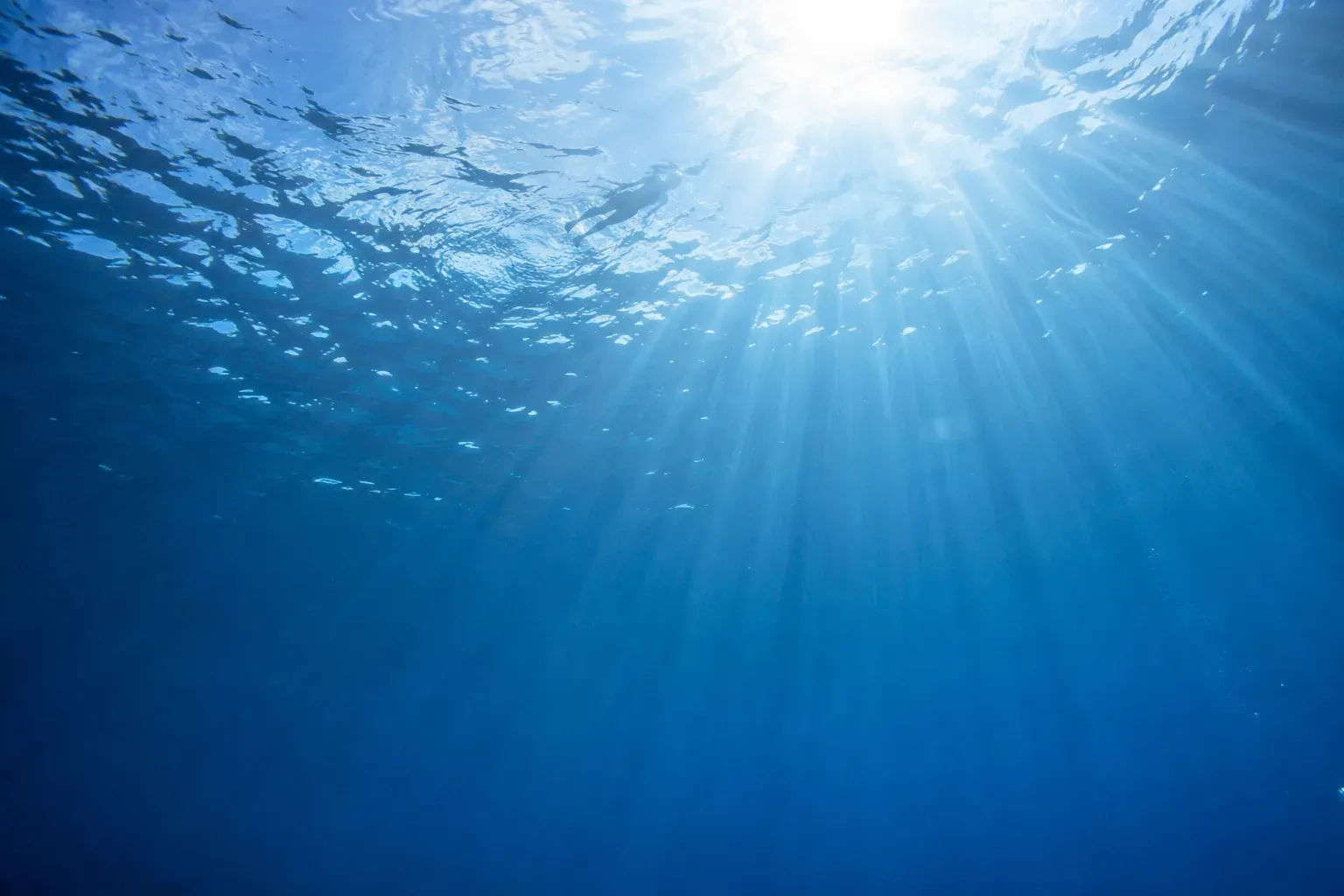
On the Côte Vermeille, swimming and snorkelling often take place above posidonia meadows and fragile coralligenous seabeds. Yet some of the sunscreen we wear ends up in the water, and certain of its ingredients raise questions.
The problem: two filters under scrutiny
Two chemical UV filters come up most often in the analyses: oxybenzone and octinoxate. Scientific studies have shown their toxicity to coral larvae. The signal was judged serious enough for several territories to ban, as a precaution, the sale of sunscreens containing them: the archipelago of Palau since 2020, the State of Hawaii since 2021.
Their effects in real-world conditions remain debated and depend on visitor numbers. But on a protected coastline like ours, where every bay already concentrates many pressures, the precautionary principle makes sense.
The right habits
- Choose mineral filters (zinc oxide, titanium dioxide) and formulas free of oxybenzone and octinoxate.
- Apply your sunscreen well before entering the water, giving it time to sink in.
- Rely first on physical protection: a UV-protective top, a lycra rash vest, a hat.
- Avoid reapplying just before a snorkel or a dive.
One habit among many
Sunscreen is only one link in the chain. In the Cerbère-Banyuls marine nature reserve, litter, anchoring and trampling weigh just as heavily on the posidonia meadows. The idea stays the same: reducing your footprint on every outing.
The MERveille way
In the festival village, on 23, 24 and 25 April 2027, these habits will be explained to the public, alongside the local clubs and scientists. Because protecting the seabed often begins at the surface.
Our understanding of UV filters keeps evolving; if in doubt (sensitive skin, children), ask a healthcare professional for advice.